Epoxy Floors for Every Corner of Your Hudson Valley Property

Monarch Epoxy installs custom epoxy floors for homeowners and businesses across Hudson Valley, New York. From garage floors and basements to retail stores and warehouses, every project starts with proper concrete preparation and a coating system matched to how the space is actually used. Property owners throughout the region choose epoxy flooring to protect worn or unfinished concrete, simplify cleaning, and add a finished look that holds up to daily traffic. Request an estimate to talk through your concrete and see which finish fits your space.

Epoxy Flooring Built for Hudson Valley Properties

Concrete floors in garages, basements, and commercial buildings take a beating from vehicle traffic, moisture, and daily use. Monarch Epoxy works with homeowners, property managers, and business owners across Hudson Valley, New York to turn that concrete into a coated surface that's easier to clean and more resistant to everyday wear.Every project begins with an assessment of the existing concrete, since cracks, moisture, and surface condition all affect how a coating performs. From there, the right base coat, decorative layer, and topcoat are selected based on how the space is used. A home gym has different needs than a warehouse floor. Custom colors, flake blends, and metallic finishes are available for homeowners who want a specific look, while commercial clients can choose systems built around traffic volume and cleaning requirements. The result is a floor that's easier to maintain than bare or painted concrete, whether it's inside a garage or across a retail showroom.

Epoxy Flooring Services in Hudson Valley

Epoxy Garage Floors

A garage floor deals with road salt, tire marks, oil drips, and constant foot traffic often more abuse than any other concrete surface in a home. An epoxy garage floor coating creates a sealed surface that resists common spills and makes sweeping and mopping faster, while helping protect the concrete underneath from the salt and moisture that Hudson Valley winters bring into the garage. Flake and metallic finishes are popular choices because they help disguise minor dust and tire marks between cleanings, though the right system depends on how the space is used day to day.

Residential Epoxy Flooring

Residential epoxy flooring works well in garages, basements, workshops, utility rooms, and home gyms, where concrete is common but often left unfinished. A coated floor is easier to sweep and wipe down than bare concrete, and it can help disguise stains, dust, and other imperfections in the existing slab. Epoxy isn't suited to every surface carpeted room, some wood subfloors, and areas with active moisture issues typically need a different approach but for concrete floors in the right condition, it's a practical upgrade for homeowners throughout Hudson Valley.

Commercial Epoxy Flooring

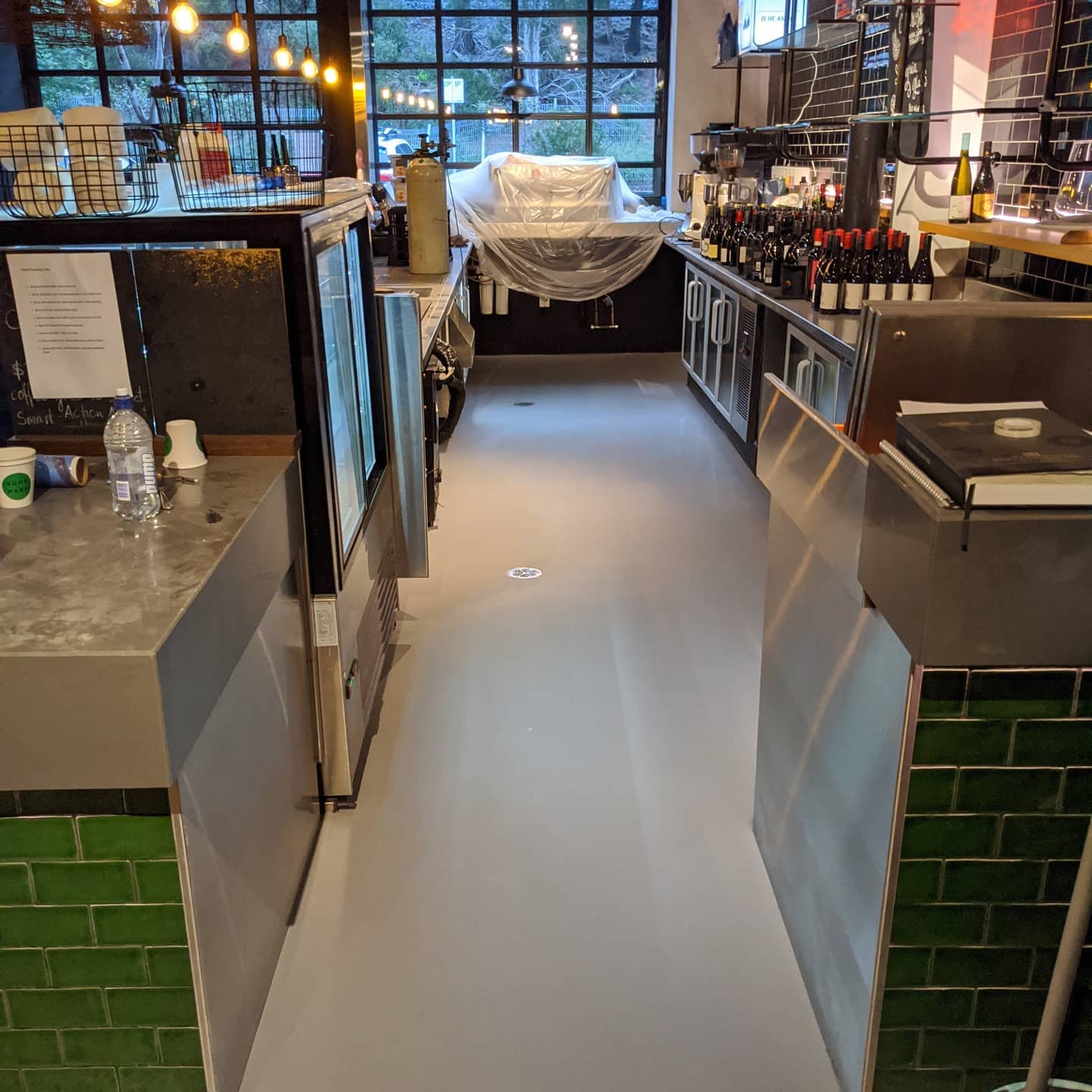
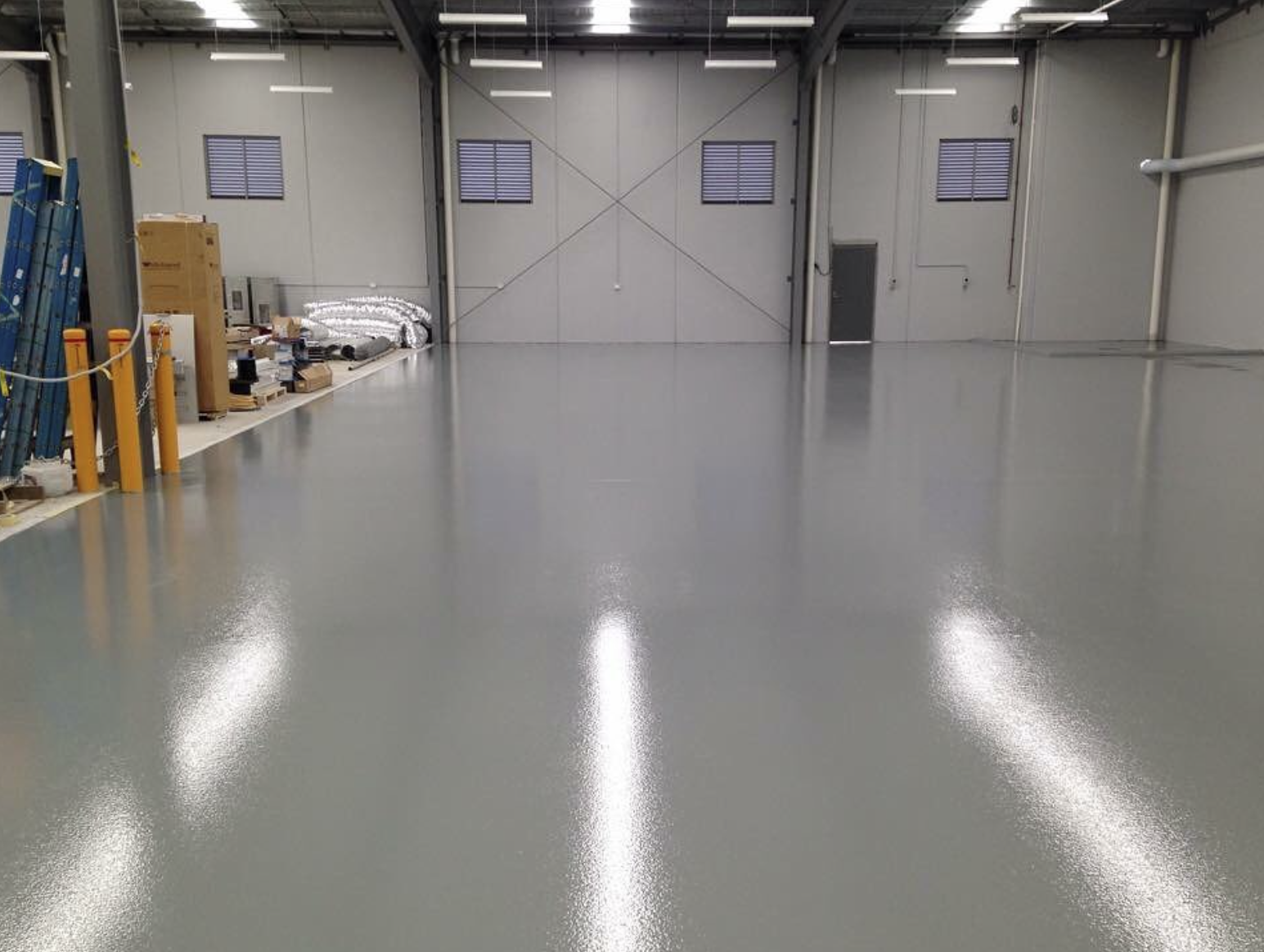
Retail stores, warehouses, restaurants, and offices each put different demands on a floor, from forklift traffic to grease and chemical exposure. Commercial epoxy flooring is selected based on those specific conditions a warehouse floor generally needs a heavier-duty system than an office lobby. Automotive spaces benefit from chemical- and oil-resistant coatings, while restaurants and retail spaces often prioritize easy cleaning and a finished appearance. Commercial projects are typically scheduled around business hours to limit disruption, with timelines depending on the size of the space and the coating system chosen.

Outdoor Concrete Coatings

Patios, walkways, and other outdoor concrete surfaces are exposed to sun, rain, and freeze-thaw cycles that don't affect an indoor floor the same way. Outdoor concrete coatings need to be selected for exterior exposure, using topcoats designed to hold up to ultraviolet light and moisture rather than a standard indoor product. Not every epoxy system is built for outdoor use, so exterior surfaces are matched with coatings and topcoats suited to Hudson Valley's seasonal weather, including snow, ice, and temperature swings.

Benefits of Epoxy Floors

1

Concrete Protection A coating seals the surface of the concrete, helping shield it from oil, road salt, and moisture that can wear down bare concrete over time.

2

 Easier Cleaning A sealed, non-porous surface is simpler to sweep and wipe down than unfinished concrete, cutting down on routine maintenance time.

3

Custom Appearance Solid colors, flake blends, and metallic finishes let homeowners and businesses match a floor to the look of the space.

4

Stain Resistance Coated floors resist many common stains from oil, grease, and household spills better than bare concrete, though prompt cleanup still matters.

5

Residential and Commercial Use The same core systems can be adjusted for a home garage or a high-traffic commercial floor, depending on the coating and topcoat selected.

5

Optional Slip-Resistant Texture Textured additives can be broadcast into the coating for spaces where traction matters, such as garages, workshops, or covered walkways.
Get Your Free Estimate

Flooring Systems and Finish Options

Decorative Flake Flooring

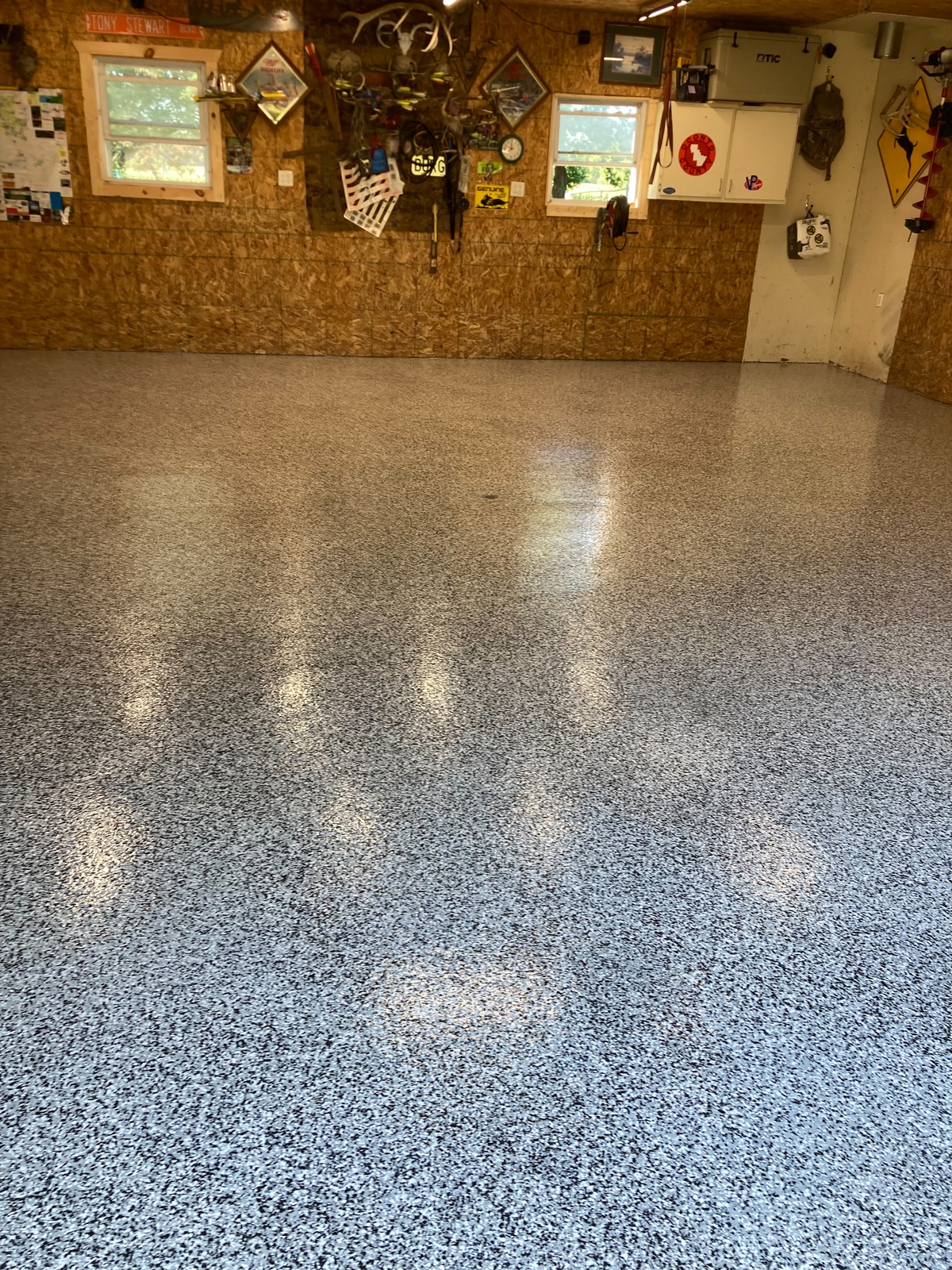
Flake flooring combines a color base coat with vinyl flake chips broadcast across the surface, then sealed under a protective topcoat. The blended color pattern helps disguise everyday dust and minor surface marks between cleanings, which makes it a common choice for garages and busy commercial spaces. Flake size and color combinations can be adjusted to match a specific look, from a subtle neutral blend to a bolder, high-contrast pattern.

Solid-Color Epoxy

Solid-color epoxy uses a single-tone base coat for a clean, consistent surface without the added texture of flakes or metallic pigments. It's a straightforward option for spaces where a uniform look is the priority, such as a workshop, basement, or retail showroom, and it's available in a range of standard colors.

Metallic Epoxy

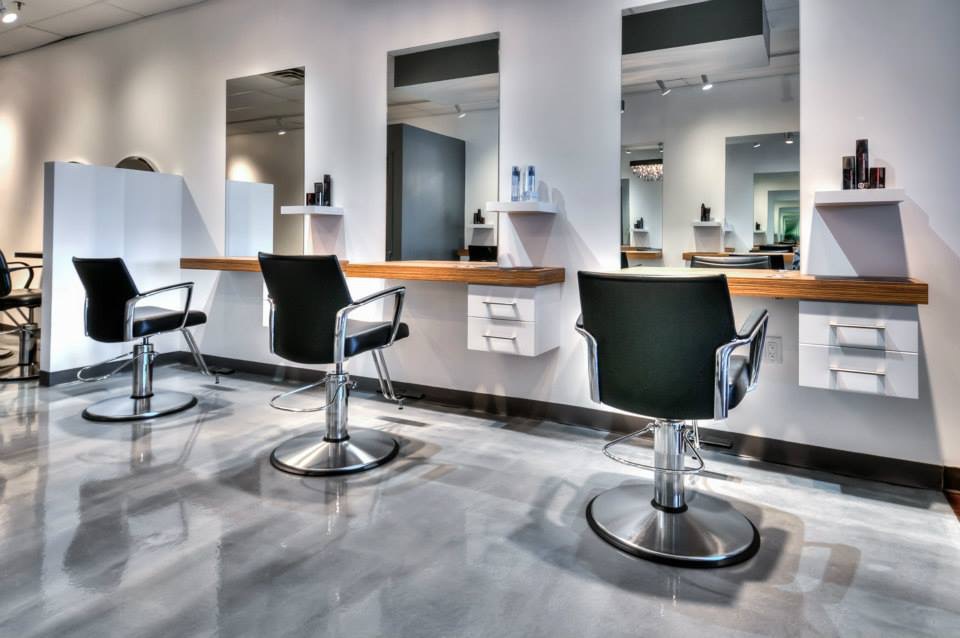
Metallic epoxy blends pigments into the base coat using techniques that create a flowing, dimensional pattern rather than a flat color. Because the pigments move differently with every application, no two metallic floors look exactly alike. It's typically chosen for spaces meant to make a visual statement, such as a showroom, retail floor, or a garage used as more than storage.

Quartz Flooring

Quartz flooring incorporates quartz granules into the coating system, adding texture and built-in traction. It's often used in commercial and industrial settings that see heavy foot traffic, frequent cleaning, or exposure to moisture, since the broadcast granules add durability beyond a standard base coat.

Protective Topcoats

Every system is sealed with a topcoat suited to the space and how it will be used. A topcoat supports wear resistance, cleaning, and the finished appearance of the floor, but no coating is scratch-proof, waterproof, or permanently resistant to ultraviolet exposure performance depends on the product selected and how the floor is maintained over time.


How Monarch Epoxy Installs Your Garage Floor

1

Schedule a Free On-Site Estimate

Contact us by phone or through the online form to arrange a visit. We assess your garage slab, discuss finish options, and provide a written estimate — no cost and no commitment required.

2

Concrete Assessment and Custom Proposal

The existing slab is inspected for cracks, moisture, coatings, and surface condition. A detailed proposal is prepared with the recommended system, color selection, timeline, and pricing.

3

Approve and Finalize Your Project

Once you confirm the scope and schedule, materials are ordered and your installation date is locked in.

4

Professional Surface Preparation and Coating

Our crew grinds the concrete with diamond tooling, repairs cracks and joints, applies the base coat and decorative broadcast, and seals the floor with a protective polyaspartic topcoat.

5

Final Walkthrough and Curing Guidance

The finished floor is reviewed with you on-site. You receive specific curing timelines, return-to-service instructions, and long-term care recommendations.
Get Your Free Estimate

Free Estimates and Clear Project Scope for Every Garage

Monarch Epoxy provides on-site evaluations at no charge for New York homeowners considering a garage floor coating. During the visit, we inspect the concrete, review your finish preferences, and walk through the full scope of work — materials, timeline, and cost — so there are no surprises once the project starts.Before installation begins, we can provide digital renderings of your selected finish to help you visualize the completed floor and confirm your color and flake choices with confidence.
Get Your Free Estimate

Epoxy Floor Installation Process

Surface preparation has more influence on how a coating performs than any other step in the process.
Initial consultation to discuss the space, the condition of the concrete, and preferred finish
Concrete inspection and moisture evaluation where necessary
 Mechanical surface preparation, including diamond grinding to remove old coatings and create a bondable profile
Crack and surface repair before any coating is applied
Cleaning and dust removal to prepare a clean surface
Primer or base coat application
Decorative application flake broadcast, metallic pigment, or solid color, depending on the system chosen
Protective topcoat application, matched to the space and expected traffic
Curing and maintenance guidance provided before the floor is returned to service

A Garage Floor Coating Grounded in Proper Concrete Work

The difference between an epoxy floor that holds and one that peels starts well before any coating is applied. Monarch Epoxy begins every garage project with mechanical diamond grinding to open the concrete pores and create the surface profile needed for a lasting bond. Cracks, spalling, and joint damage are repaired before the first coat goes on.For New York garages that face snow runoff, road salt, oil drips, and temperature swings throughout the year, this preparation step is not optional — it is the foundation of a floor that performs. The full system includes a bonded primer, a pigmented base coat, a decorative flake, quartz, or metallic layer, and a sealed polyaspartic topcoat selected for the conditions the floor will actually face.Every project is handled directly by Monarch Epoxy — no outsourced crews or subcontracted installers.

Garage Epoxy Floor Questions

How long does an epoxy garage floor last?

A professionally installed garage floor coating can last 10 to 20 years or longer, depending on the concrete condition, coating system, traffic level, and how well the floor is maintained. Proper surface preparation and product selection are the most significant factors in long-term performance.

What is the difference between epoxy garage floor paint and a professional coating?

Standard garage floor paint is typically a thin, single-layer product applied directly to concrete with minimal preparation. A professional epoxy garage floor coating involves mechanical grinding, a bonded primer, a multi-layer epoxy or polyurea system, decorative materials, and a protective topcoat. The result is a thicker, more adhesion-stable surface designed to resist chemicals, impacts, and daily wear.

How long does garage floor installation take?

Most single- and two-car garages can be completed in one to two days. Metallic epoxy and quartz systems may require additional time for curing between layers. The exact timeline depends on the garage size, slab condition, and selected coating system.

Can epoxy be applied over cracked or damaged concrete?

Minor surface cracks and small imperfections can typically be repaired during the preparation stage before coating. Significant structural damage, active moisture problems, or heavily deteriorated slabs may need additional concrete work before a coating system can be installed successfully.

Is an epoxy garage floor slippery when wet?

A smooth-finish epoxy surface can become slick when wet. Slip-resistant additives or textured broadcast materials — such as vinyl flake or quartz — can be incorporated into the system to improve traction in garages exposed to water, snow runoff, or vehicle rinse.

How soon can I park my car on a new garage floor?

Light foot traffic is generally possible within 24 hours of the final topcoat, depending on the product and curing conditions. Vehicle traffic typically requires 48 to 72 hours or more. Your installer will provide specific return-to-service timelines based on the system used.

A Garage Floor Coating Grounded in Proper Concrete Work

The difference between an epoxy floor that holds and one that peels starts well before any coating is applied. Monarch Epoxy begins every garage project with mechanical diamond grinding to open the concrete pores and create the surface profile needed for a lasting bond. Cracks, spalling, and joint damage are repaired before the first coat goes on.
Request a Free Estimate